
Research Projects
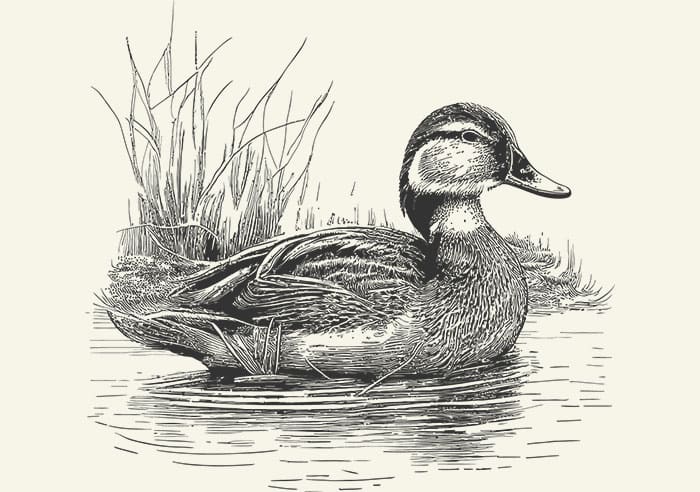
Waterbirds & Waterfowl
Mottled ducks (Anas fulvigula) are endemic to Gulf Coastal United States and Mexico. Birds from Florida, Louisiana, and Texas were released in coastal South Carolina from 1975-1983, and banding data suggest an expanding South Carolina population. We radio-marked 116 females in August 2010-2011 in the Ashepoo, Combahee, and Edisto (ACE) Rivers Basin and used radio telemetry to study habitat selection, searched for nests of non-radiomarked females, and conducted indicated breeding pair surveys of mottled ducks at various wetlands. Overall, radiomarked mottled duck females selected managed wetland impoundments, wetlands containing planted corn, and brackish wetlands. Overall nest success of 42 nests of unmarked females was 19%. Modeling results indicated that the area of an island on which a nest was located was the only variable influencing nest success. Indicated breeding pair surveys revealed that the size of the wetland was the primary influence of breeding mottled duck immigration into a wetland.
James C. Shipes, 2014, Mississippi State University
Mottled ducks (Anas fulvigula) are a non-migratory waterfowl species endemic to the western Gulf Coast, with a separate, genetically distinct subspecies (A. fulvigula fulvigula) occurring in peninsular Florida. Birds from Texas, Louisiana, and Florida were released in coastal South Carolina from 1975-1983, and banding data suggest an expanding population. I monitored 72 mottled duck nests and captured and radio-marked 196 pre-breeding and nesting females between 2010 and 2014 to study breeding ecology of these birds in the Ashepoo, Combahee, Edisto Rivers Basin. Nest success averaged 12% and varied with vegetation height and year. Indicated breeding pair surveys revealed breeding mottled ducks select managed wetland impoundments, predominately influenced by water depth. Future research should investigate ecology of nest predators of mottled ducks to devise successful habitat management strategies for breeding birds. Preliminary evidence suggests that managed wetland impoundments are important to breeding and brood rearing mottled ducks in coastal South Carolina.
Molly R. Kneece, 2016, Mississippi State University
A non-native population of resident mottled ducks (Anas fulvigula) exists in coastal South Carolina and Georgia, but little is known about their ecology and behavior. I used GPS telemetry to document movements, space use, and habitat use of 47 individuals between 2013 – 2016. Mean seasonal home ranges varied from 2002 to 4598 ha. Individuals made 23 excursions outside of established ranges varying from 5 km to 139.5 km, 5 dispersal movements varying from 52.6 km to 245.8 km, and 6 long-distance movements. Mottled ducks selected for managed impoundments at multiple spatial scales. My findings indicate that mottled ducks in Georgia and South Carolina are likely one population, and are highly dependent on impounded wetlands. I recommend state and federal agencies create and manage impounded wetlands to benefit mottled ducks across the South Carolina and Georgia coasts.
Kaylee M. Pollander, 2017, University of Georgia
Stephen is evaluating diets of migrating and wintering waterfowl using South Atlantic wetlands and estimating the forage biomass and energetic density provided to waterfowl by those wetlands. This work will improve carrying capacity modeling efforts by the Atlantic Coast Joint Venture and its partners, who strive to meet population-based habitat objectives set by the North American Waterfowl Management Plan.
Stephen A. Clements, Mississippi State University
The southern U.S. contains managed wetlands that host millions of waterfowl every winter. These wetlands provide critical habitats for waterfowl to forage and seek shelter while preparing for spring migration to breeding grounds. Despite much funding and staffing invested in managing the wetlands in the southern U.S., our current understanding of how winter habitat conditions and seasonal vital rates of waterfowl affect overall population growth is limited. Additionally, the vital rates of specific population segments (e.g., juveniles vs. adults, males vs. females) may disproportionately contribute to overall population growth. Overlooking the cross- seasonal effects of specific demographic parameters on the population could hinder effective waterfowl management. We used publicly available data on waterfowl in North America, including band-recovery data, wing data, and breeding population surveys, to shed light on the cross-seasonal effects of waterfowl demographic parameters on continental population trends. We first focused our analysis on mallards (Anas platyrhynchos) and green-winged teal (Anas crecca) in the Atlantic, Mississippi, and Central flyways, including data from 1992 to 2020. To simultaneously estimate demographic parameters and population growth rate, we employed an integrated population model (IPM) to analyze data from multiple sources under the same modeling framework. IPMs allow biologists to estimate with higher precision population parameters shared by the sub-models within the IPM because more than one dataset informs the models. Using the IPM, we obtained cohort-specific annual survival probabilities, hunting- season survival probabilities and non-hunting-season survival probabilities, productivity, and overall and cohort-specific population size indices within the study area. Additionally, we estimated within- and cross-seasonal effects of winter conditions (e.g., amount of precipitation) and the amount of available breeding habitat on survival and productivity. Lastly, we conducted a retrospective analysis to quantify the influence of each vital rate on the overall population growth rate. The results will add to existing knowledge of waterfowl population dynamics and aid in population management decision-making.
An C. Hsiung, Clemson University
The wood duck (Aix sponsa) has experienced one of the most significant declines and recoveries among species of North American waterfowl (Anatidae). With enactment of the Migratory Bird Treaty Act (1918) and installation of hundreds of thousands of artificial nest structures for this cavity-nesting species in North America, wood duck populations have recovered and remain a sustainable harvested resource. However, long-term research on box-nesting wood ducks conducted at the Savannah River Ecology Laboratory, Aiken, South Carolina, has revealed uncertainty as to whether recruitment rates of yearling females from natal box-nesting populations are self-sustaining without immigration of hens from other complexes of boxes and natural cavities. North Carolina and South Carolina have intensive wood duck nest box programs on public and private lands, numbering in the tens of thousands of boxes. Therefore, I conducted a study in 2020 and 2021 at Lake Moultrie in South Carolina and in North Carolina at Mattamuskeet and Roanoke River National Wildlife Refuges (NWR) and Heron Bay, a private property adjoining Mattamuskeet NWR. I monitored nearly 400 boxes examining wood duck reproductive and recruitment data and evaluating strategies to deter rat snakes (Pantherophis alleghaniensis) and woodpeckers, both major predators of wood duck eggs at my study sites. I also calculated cost indexes of yearling female recruits over an assumed 20-year longevity of nest boxes. Box use was high at all sites and both years but was greater at Lake Moultrie (98%) than the pooled average for North Carolina sites (86%). Across all sites and years, nest success was 54.6%, and frequencies of successful and unsuccessful nests did not differ between sites in 2020 but did in 2021. The difference between years can be attributed to increased snake predation (9%) from 2020 to 2021. An average of 2.31 more ducklings exited successful nests in boxes at Lake Moultrie than from the North Carolina sites in 2020, but 1.84 more ducklings exited North Carolina boxes in 2021. Despite the between-year differences, no difference in number of ducklings exiting boxes occurred between sites when yearly data were pooled (i.e., 11.3 ducklings/successful nest). I calculated an index of the cost of wood duck box construction and maintenance over 20 years in relation yearling female recruits, using a published recruitment rate and the average recruitment rate from Lake Moultrie from 2020–2021. The average cost per recruit was 1–4 times less than the cost of the box and its management over 20 years, suggesting cost-efficiency based on this approach. To deter rat snakes from entering nest boxes, I attached a black cotton sock containing one cup of Snake-A-Way® pellets on nest boxes above the predator guard at boxes with previously recorded or current snake predation of wood duck eggs. An empty black sock was deployed likewise as a control in this experiment. In addition, I tagged snakes with a passive integrated transponder (PIT tag) and took morphometric measurements of each rat snake captured in nest boxes. Using a Lincoln-Petersen estimator, I estimated 138 (SE = 25) rat snakes using nest boxes at Lake Moultrie, where snake depredation of eggs was greatest. I PIT tagged 106 snakes among all North Carolina sites and Lake Moultrie. Average total length of male and female snakes combined was 143.1 (SE = 2.01) cm, with captured males being larger than females at all sites. A total of 456 eggs were consumed by captured snakes, with peak snake predation occurring in April. Snake pellets were deployed 39 times across field sites where snakes were encountered; there were 14 snake encounters after pellets were deployed compared to no encounters after the other 25 pellets deployments. However, I did not detect a significant difference in the number of snakes accessing boxes treated or not treated with pellets. I deployed trail cameras in each state to determine how snakes were circumventing functional predator guards. Snakes wrap their body around the post and use predator guards to leverage their ascent upward to access the box entrance. To deter woodpeckers from entering nest boxes, I attached a Bird-B-Gone® plastic hawk decoy to boxes with previously recorded woodpecker depredations of wood duck eggs. Decoys were deployed after 12 twelve days of incubation to discourage hen abandonment of nests from the hawk effigy. Across both years and all sites, woodpeckers were responsible for 65.6% of nest depredations. A total of 26 woodpecker encounters were recorded for nest boxes with and without the hawk decoy. There was a significant difference in the number of successful nests in boxes containing the hawk decoy in 2021. My study indicated there is a need for continued recruitment data and sensitivity analysis to determine if rat snakes, woodpeckers, and other agents of nest loss are decreasing recruitment rates from boxes in my study sites, in our regional study across the Southeast, and throughout the range of North American wood ducks.
Emily M. Miller, 2022, Clemson University
I conducted a landscape-scale survey of nest-structure use and production by wood ducks (Aix sponsa), black-bellied whistling ducks (Dendrocygna autumnalis), and hooded mergansers (Lophodytes cucullatus) across two riverine basins in coastal South Carolina during 2016–2017. For 364 and 354 nest boxes surveyed in each year (n = 718 box years), 61% were used by wood ducks, 15% by black-bellied whistling ducks, and < 1% by hooded mergansers. Across years, mean frequency of use of nest boxes by wood ducks and black-bellied whistling ducks did not differ between the Ashepoo, Combahee and Edisto Rivers (ACE) and Santee Rivers Delta and Winyah Bay (SRDW) Basins (F1,353 = 1.46, P = 0.2270, F1,353 = 1.48, P = 0.2247, respectively). Wood ducks nested from January–August (x̄ = 181-day nesting season, CV = 2.5%) with peak nesting in March–May. Black-bellied whistling ducks nested from May–September (x̄ = 116-day nesting season, CV = 8.6%) with peak nesting in June–July. Stepwise logistic, multiple regression revealed several correlations of physical and micro-habitat characteristics of nest boxes with their use by wood ducks and black-bellied whistling ducks. Wood ducks were 5.8% (β = −0.00006, P = 0.0035) more likely to select nest boxes for every 1,000 cm3 decrease in internal box volume. However, black-bellied whistling ducks were 19.6% (β = 0.00018, P < 0.0001) more likely to select nest boxes for every 1,000 cm3 increase in internal volume. Vegetative, canopy cover above boxes had a negative association with nest-box selection; boxes were 15.1% (β = −0.01642, P < 0.0001) and 11.1% (β = −0.01194, P = 0.0236) more likely to be selected by wood ducks and black-bellied whistling ducks for every 10% decrease in percent canopy cover. Additionally, nest boxes were 18.3% (β = 0.01677, P = 0.0053) and 9.8% (β = −0.01031, P = 0.0044) more likely to be selected by black-bellied whistling ducks for every 10 cm increase in distance from the base of boxes’ entrance vertically to ground or water surface and every 10 m decrease in distance between boxes. My data suggest the conventional nest box described by Bellrose (1980), with internal volume of 34,375 cm3 and internal dimensions of 25 × 25 × 55 cm, was usable for both species of ducks and therefore can be deployed where these species are sympatric.
Gillie D. Croft, 2018, Clemson University
Globally, humans have modified millions of acres of wetlands to grow rice for consumption. Rice culture in the southeastern United States began in the 1670s; was primarily successfully developed, managed, and driven by the labor of enslaved persons; and ended with the U.S. Civil War. During this time, humans transformed tidal swamps and hardwood bottomland forests into highly managed farming systems. These systems left behind a legacy of land use when abandoned after slavery. Today, there are almost 236,000 acres mapped as antebellum rice fields in nine coastal counties of South Carolina. Over half have been abandoned or are no longer wholly impounded. The remainder is managed mainly for wintering waterfowl and is owned privately or as public land.
An average of 27% of all dabbling ducks in the Atlantic Flyway winter in the South Atlantic region, particularly in South Carolina. Rare and endangered species, including Wood Storks (Mycteria americana), American White Pelicans (Pelecanus erythrorhyncho), and Roseate Spoonbills (Platalea ajaja), use antebellum rice field impoundments as wintering grounds. These impoundments also support the highest counts of Black Rails (Laterallus jamaicensis) along the Atlantic Coast. Environmental forces that have been influenced by climate change are causing increased degradation and loss of the antebellum rice field infrastructure.
The conservation of antebellum rice fields presents a complex challenge, with questions about whether they should be preserved for their cultural significance, restored to their pre-agricultural state, or managed as wildlife habitats. There is also debate about the impact of impoundments on coastal wetlands and waterbird habitats, with some scientists arguing that managed impoundments are more beneficial than unmanaged tidal marshes. In contrast, others claim that waterbirds would use tidal wetlands if impoundments did not exist.
Objectives of our study are to 1) Quantify the abundance and occupancy of waterbirds in antebellum rice fields; 2) Evaluate waterbird habitat association using wetlands characteristics such as percent open water, vegetation patterns, and composition to understand the benefits of managed and unmanaged antebellum rice field impoundments; 3) Determine waterbird habitat suitability across antebellum rice fields using environmental modelling; and 4) Evaluate the effectiveness of Unpiloted Aerial Vehicles (UAVs), Autonomous Recording Units (ARUs), and Artificial Intelligence (AI) tools in detecting and quantifying waterbirds in antebellum rice fields.
Overall, our study aims to understand the waterbird-habitat relationship with antebellum rice fields comprehensively. This will inform evidence-based management decisions for the conservation and management of these important habitats, as well as the role of technology in wildlife research and conservation.
Akshit Suthar, Clemson University
Global wetland degradation and loss is occurring at a rapid rate, and in the United States over 50% of wetlands in the lower 48 states have been altered since European settlement. In some cases, wetlands that were historically transformed for agriculture are now managed as wetland habitat. We conducted occupancy surveys for black rails (Latterallus jamaicensis) in managed and unmanaged areas of coastal South Carolina. We modeled landscape and local factors potentially influencing occupancy and we assessed whether these habitat associations indicated vulnerability following expected alterations from sea level rise. Black rails occupied 17 of 344 sites surveyed. Landscape factors had the strongest influence on black rail occupancy. Occupancy was significantly associated with impounded marshes, increasing distance to forest, and greater proportion of marsh landscape within a 200 m buffer. We mapped parameters from our top-ranked model to predict the amount of current and future suitable habitat under various sea level rise scenarios at Bear Island Wildlife Management Area, a black rail hotspot. Suitable habitat decreases in tidal marshes but increases in impounded areas. The current use of impoundments by black rails could represent a new management strategy for mitigating the loss of black rail habitat. However, assessing vulnerability is often difficult because predictions made in space or time may not always hold up. Therefore we evaluated how well species-habitat models derived in one locale would transfer to another in an effort to promote effective species-habitat conservation across a region (between states). Species distribution models have been applied across a wide range of spatial scales to generate information for conservation planning. But the generality of these models has rarely been tested. When transferability of models is evaluated it is typically done using occurrence data. However, we assess model transferability in coastal tidal marshes of the Southeastern United States using point counts of a widespread marsh bird: the clapper rail (Rallus longirostris). We first derived the top species-habitat models at a state-level in both South Carolina and Georgia, and then assessed how well top models from each state predicted abundances across the region (between states). Internally (locally) validated models exhibited reasonable fit and high significance; however, during the independent model validation process (between states) both models performed poorly. We discuss potential reasons model transferability was not successful and address the need for better regional datasets and further studies addressing issues associated with transferability. Overall, coastal wetlands are some of the world’s most productive and ecologically valuable habitats but they remain greatly disturbed. Understanding the influence potential disturbances, such as sea level rise and development, will have on wildlife species is critical toward helping to promote effective conservation of coastal ecosystems.
Nicolette Roach, 2015, Clemson University
Man-made nest boxes are surrogate nest sites widely used by waterfowl managers in North America to propagate free-ranging Wood Ducks (Aix sponsa) and other cavity-nesting waterfowl. I monitored 129 and 174 nest boxes in 2020 and 2021, respectively, at Noxubee National Wildlife Refuge and York Woods, Mississippi. I evaluated site-specific biotic and abiotic factors that were potentially influential on nest survival of Wood Ducks and general nesting ecology and apparent nest success of Black-bellied Whistling Ducks (Dendrocygna autumnalis) and Hooded Mergansers (Lophodytes cucullatus). Daily survival rate of Wood Ducks was negatively influenced by increasing encroaching vegetation at Noxubee NWR and varied by year at York Woods. Across both sites and years, Black-bellied Whistling Duck and Hooded Merganser nest success averaged 59% and 77%, respectively. I also evaluated eggshell breaking strength (EBS) between all three species, where EBS was highest in Hooded Mergansers, followed by Black-bellied Whistling Ducks and Wood Ducks.
Justin Taylor Gibson, 2022, Mississippi State University
Wood ducks (Aix sponsa) are an important game species throughout the Atlantic Flyway that was nearly extirpated by the early 20th century due to overhunting and the loss of habitat. Wood ducks are secondary cavity-nesters that utilize artificial nest boxes and natural cavities. It is reported that the use of nest boxes is likely what led to re-establishment of the species in North America. Where boxes are numerous, overuse of boxes by multiple hens throughout a nesting season can occur and result in a buildup of bacteria, parasites and other potentially detrimental pathogens that can impact egg hatchability. No large-scale regional study of reproductive biology of box-nesting wood ducks has been conducted across multiple states. I performed a study examining the reproductive ecology of wood ducks and bacterial growth from nest boxes in Georgia and Florida between 2020 and 2021. My objectives were to 1) estimate the percent use of nest boxes by wood ducks, estimate percent nest success, and calculate an average number of ducklings that departed nest boxes within Georgia and Florida, 2) to calculate a cost per female recruit from nest boxes between Florida and Georgia, 3) determine if the use of different types of shavings have any effect on nest box use, nest success, and number of ducklings successfully exiting boxes, 4) determine if the use of different types of shavings has an impact on the growth of nest-box microbes, and 5) determine if there are preventative measures managers may use to keep microbes from negatively affecting eggs. I monitored 142 nest boxes in Florida and 123 nest boxes in Georgia in 2020 and 138 and 120 nest boxes in Florida and Georgia, respectively, during the 2021 field season. In Florida, 90.3% of nest boxes and in Georgia 60.5% of nest boxes were used by wood ducks across both years. Nest success across both years and states was 40.9% (n = 644 nests), and the primary cause of nest failure was abandonment for unknown reasons (37.6%). Nearly twice as many ducklings successfully exited nest boxes in Georgia than Florida with averages of 11.46 and 6.86 ducklings exiting boxes from Georgia and Florida, respectively (P < 0.001). I conducted a cost analysis of the use of nest boxes per female recruit in these states and calculated 0.08 and 0.10 yearling female recruits/box/year in Florida and Georgia. The calculated cost per yearling female wood duck recruit over 20 years was $108.35 in Florida and $86.68 in Georgia. The cost per recruit for Georgia was about half the cost for the box materials and annual maintenance for 20 years. More data is necessary to conclude if nest-box programs are cost effective in Georgia and Florida. I found that the type of shavings had no impact on box selection, nest success or ducklings successfully exiting nest boxes. Additionally, the use of different types of shavings had no impact on the growth of microbes collected from nest boxes. While there are no explicit recommendations for what type of shavings to use in nest boxes, it is recommended that managers regularly clean and provide maintenance to their nest boxes to avoid buildups of pathogens throughout the breeding season.
Jacob A. Shurba, 2022, Clemson University
Resident female wood ducks (Aix sponsa) in the southeastern United States are managed through nest box programs, with the goal of enhancing local hunting opportunities. Historically, hooded mergansers (Lophodytes cucullatus) were the only other cavity-nesting waterfowl species in the southeastern United States known to use these nest boxes. However, the recent northward range expansion of black-bellied whistling-ducks (Dendrocygna autumnalis) has extended into the range of wood ducks and mergansers. All three species are brood parasites, potentially using one another as hosts for their parasitic eggs and impacting their reproductive output. My research evaluated the nest box program administered by the Louisiana Department of Wildlife and Fisheries, focusing on the breeding ecology of cavity-nesting ducks and interspecific brood parasitism. Additionally, I analyzed a 14-year dataset for females banded from nest boxes to assess the impact of increasing the daily bag limit from 2 to 3 on wood duck survival and harvest rates. I monitored around 300 nest boxes weekly in Louisiana from 2020–2023, collecting data from February 1–July 31. I monitored individual eggs and nests, assigned fates, captured and banded incubating females, and marked ducklings. Trail cameras were placed inside a subset of nest boxes to collect videos. Among 261 black-bellied whistling-duck nests, I found nesting from late-March through late-July. About 7% of their nests were parasitized, primarily by wood ducks, with hooded mergansers as infrequent parasites. Black-bellied whistling-ducks hatched large clutches with varying compositions. I also monitored 1,206 wood duck nests; hooded mergansers and black-bellied whistling-ducks parasitized ~20% of nests. Parasitism by hooded mergansers reduced wood duck nest survival, but interspecific brood parasitism did not affect duckling recruitment. Wood duck egg survival decreased when in a clutch with hooded merganser eggs. Hooded mergansers had a more pronounced negative influence on wood duck productivity than black-bellied whistling-ducks. Red-bellied woodpeckers (Melanerpes carolinus) partially depredated wood duck clutches, reducing the number of wood duck eggs hatching at some sites. An analysis outside the breeding season revealed that increasing the daily bag limit did not affect the survival or harvest rates of box-nesting wood ducks. Future research should monitor black-bellied whistling-duck nesting chronology, as early-initiated wood duck nests are the most productive.
Dylan L. Bakner, 2023, Louisiana State University
The South Atlantic Coastal Plain of South Carolina is essential for migrating, wintering, and breeding waterfowl and other waterbirds. Despite this importance, little is known about the use of specific wetland types and the influence of wetland loss and conversion on avian habitat use. This study encompasses extensive, conserved lands and highly developed and altered landscapes along the South Carolina coast. Our primary objectives are to model winter and spring waterbird-habitat relations and document spring migration chronology. We performed point count surveys at 97 randomly selected wetlands, varying by type, and secretive marsh bird surveys at 12 emergent freshwater wetlands to estimate occupancy rates, species diversity, species abundance, and migration chronology from January to July 2022. Wetland-level data (e.g., water quality, water regimes, vegetation, macroinvertebrates) were also collected to model wetland use and waterbird selection. Preliminary results suggest that great egrets (Ardea alba) and willets (Tringa semipalmata) are most abundant in natural wetlands, and American wigeon (Mareca americana) and snowy egrets (Egretta thula) are most abundant in altered wetlands. Shorebirds and waterfowl were especially peaking in March, secretive marsh birds were peaking in April, and wading birds were peaking in June. Results also suggest that avian diversity is greatest in estuarine and marine wetlands, potentially due to abundant macroinvertebrates. The most abundant macroinvertebrate taxa detected were chironomids (Chironomidae) and scuds (Gammaridae). Data collection for the 2023 field season will essentially follow the same protocol from the 2022 season, but different wetlands are being surveyed.
Jordan E. McCall, Clemson University
Currently, managed wetlands (impoundments) are manipulated to provide wintering habitat for waterfowl (Anseriformes) and hunting opportunities. Impoundments may be used as supplemental habitat by migrating shorebirds (Charadriiformes) that are facing declines in the quality and quantity of stopover sites. We quantified the species and number of birds present in managed impoundments and tidal marshes during migration and winter seasons with scan sample surveys, documented behavior (e.g., feeding, breeding, roosting) of target bird species with time-activity budgets, and estimated birds’ selection of food items through collection and esophageal dissection. Target bird species were Blue-winged Teal (Anas discors), Green-winged Teal (A. crecca), Greater Yellowlegs (Tringa melanoleuca), and Lesser Yellowlegs (T. flavipes). These data provided information on when and how the birds were using managed impoundments and tidal marshes. Our results suggest that management for multi-species use of impoundments is effective.
Gretchen E. Nareff, 2009, University of Georgia
In 2001, a reintroduced population of Whooping Cranes, known as the Eastern Migratory Population (EMP), was established in the eastern United States. The breeding range for the EMP was in central Wisconsin and the populated originally migrated to the Florida Gulf coast during the nonbreeding season. Beginning in approximately 2004-05, the wintering range for cranes shifted from the Florida Gulf coast to inland marshes in Florida. Between 2007-08 and 2017-18 the winter distribution of this population expanded north to include areas as distant as southern Indiana. To date, there has been no assessment of habitat use of the EMP across the current winter distribution. The objectives of this study were to identify factors influencing daily home range sizes of wintering Whooping Cranes in the EMP, describe habitat characteristics of areas used by cranes within their daily home range, identify the water depths and vegetation heights
of used areas, and assess behavior associations with habitat. During two winters (2014-15 and 2015-16), we used radio-telemetry to track 20 and 23 groups of wintering Whooping Cranes, respectively, each for one full day. We recorded their location, behavior, and the habitat characteristics of their locations. Based on natural clustering of winter areas of Whooping Cranes, we grouped winter sites into three regions: North (Illinois, Indiana, Kentucky), Central (Tennessee, Alabama), and South (Georgia, Florida, Louisiana). We calculated home range sizes using a 95% kernel density estimate, and home ranges decreased in size from north (4.9 ± 2.8 km2) to central (3.1 ± 1.0 km2) to south (2.3 ± 0.5 km2). Home ranges in the south were also comprised of the greatest proportion of wetlands compared to other regions (south = 37%, central = 7%,
north = 1%). To identify habitat characteristics of winter sites, we compared used
locations to randomly generated locations within a crane’s home range separately by region. In the north region, cranes used agricultural areas more often than forests, and used areas with hydric soil that were potentially seasonally inundated during winter. In the central region, cranes selected for both agriculture and wetlands compared to forests. Cranes wintering in the south did not select habitat characteristics out of proportion to their availability within their home ranges. We also measured water depths and vegetation heights of used areas, respective to a crane. In all regions, cranes used areas with water or vegetation below the tibiotarsal joint more often than areas with deep water or tall vegetation. Lastly, we compared foraging and loafing behavior in three habitat types (agriculture, grasslands, and wetlands), both pooled and separately by region. Whooping Cranes in the north foraged more often in agriculture than in grasslands or wetlands. However, in the central region, cranes foraged equally in all
three habitats, and cranes in the south foraged in either grasslands or wetlands. Loafing behavior was associated with wetlands compared to agriculture or grasslands in all three regions. The findings of this study are the first description of habitat characteristics of areas used by cranes wintering throughout the current and entire winter range of the EMP. Results from this study will inform land managers of wintering habitat use and can benefit conservation planning with respect to future reintroduction efforts of this
endangered species.
Hillary L. Thompson, 2018, Clemson University
Clapper rails (Rallus longirostris) are a secretive gamebird species of coastal tidal marshes. I combined an examination of rail habitat choices at multiple scales with estimation of two demographic parameters, studies of which were until now, non-existent for Atlantic coast populations. I determined the sex of captured rails (n = 82) using genetic testing of tissues to examine potential sex-based differences in habitat choices or survival. I radio-tracked 83 rails during the 2009 and 2010 breeding seasons and found that rails selected home ranges with more foraging area than available across the landscape which possibly increased survival. Rails selected nest sites with lower tidal maxima than available across the landscape, in part, resulting in higher nest survival (i.e., a successful hatching event). It is evident that a year-round radio-tracking effort and explicit studies of the distribution and densities of clapper rail prey items would answer questions emerging from this work.
Catherine E. Ricketts, 2011, University of Georgia
Rails have been used as a bio-indicator of marsh health; however, little is known about rails’ presence and distribution within the ACE Basin of South Carolina. We estimated frequency of occurrence of rails in managed impoundments and tidal marshes during summer 2005, and winter and summer 2006, using call broadcast surveys. We related occurrences to habitat structure during winter and summer 2006. One King and 3 Clapper Rails were radio-tracked from March to August 2006 to assess distribution during the breeding season. Rails occurred more frequently in tidal marshes during each season. Different habitat variables explained frequency of occurrence each season. All Clapper Rail radio-locations were in tidal marshes, but locations of the King Rail were in managed impoundments. Tidal marshes provided resources for Clapper Rails, while managed impoundments provided resources for King Rails. Further research is needed to improve management of impoundments to provide enhanced habitat for rails and their allies.
Sean P. McGregor, 2007, University of Georgia
Aerial surveys are effective and cost-efficient for quantifying population size and
habitat use of waterfowl and other waterbirds across vast and especially inaccessible landscapes. Surveys and associated data are critically important to understand population dynamics and to guide habitat management, land acquisition, and conservation decisionmaking. Due to cessation of the Midwinter Waterfowl Survey in 2016 and need for reliable surveys to monitor wintering waterbird populations in South Carolina, I evaluated fixed-wing, 250-m wide aerial strip-transect surveys during fall–winter 2016–2019. My objectives were to design efficient and affordable aerial survey methodologies to estimate waterbird abundance, distribution, and habitat use in South Carolina. To my knowledge, South Carolina currently is the only state in the Atlantic Flyway conducting
probability based aerial surveys inland of the Atlantic Ocean. I revised survey strata following 2016–2017 surveys to reduce variation and increase survey efficiency. Overall, I reduced surveyed area by 38% but captured and retained 95% of waterfowl and other waterbird detections from 2016–2017 surveys. I used design-based analyses to estimate population indices (Î; abundance not corrected for detection bias) of dabbling ducks, diving ducks, total ducks, geese and swans, coots and gallinules, pelagic and piscivorous waterbirds, wading birds, and raptors. I desired an a priori goal of precision at coefficient of variation (CV) ≤ 15–20%. My January 2018–2019 estimates for total ducks (74,504 ≤ Î ≤ 102,421) were similar to estimates reported for Midwinter Waterfowl Surveys 2012–2015. However, I did not achieve desired precision for waterbirds during most surveys. Therefore, I estimated a theoretical survey effort to achieve CV = 20%. Increasing survey effort three-fold (i.e., ~66 flight hours = 7.5 days) theoretically would provide desired precision across all waterbird taxa. Furthermore, I suggest additional survey stratification of high density waterbird areas, optimal allocation of transects, geographically strategic increases in survey effort, and simulations to evaluate proposed variance-reduction methods. Moreover, I developed and advocate an adaptive monitoring framework to elicit and evaluate goals, improve precision, and optimize survey efficiencies of future waterbird surveys in South Carolina. I acknowledge population indices are inherently biased because they do not account for imperfect detection. Thus, we implemented two tandem-team simultaneous aerial observers in January and February 2018 and I analyzed data as replicated counts using N-mixture models to estimate detection probability, abundance, and species-habitat relationships for dabbling ducks, diving ducks, pelagic waterbirds, and wading birds. Model-based inference generally was comparable and more precise for dabbling and diving ducks (11% ≤ CV ≤ 27%) compared to single-observer, design-based estimation (17% ≤ CV ≤ 36%). However, both front- and rear-seat observers exhibited low detection
probabilities across all taxa (p ≤ 0.35) and detection probability varied among habitats (i.e., open water, intermediate emergent marsh, and forest/scrub-shrub wetlands). Thus, I suggest using methods such as double or repeated sampling to minimize detection bias during aerial surveys for wintering waterfowl. Additionally, habitats influencing waterbird abundance were temporally dynamic between January and February 2018. Managed and non-managed historic rice fields influenced dabbling and diving duck abundances positively in January 2018 but not in February 2018. Complete drawdowns of managed impoundments following waterfowl hunting in late January may have influenced duck-habitat relationships in February 2018. N-mixture models provided benefit of estimating abundance, detection probability, and habitat associations in one
consolidated analysis. Our results suggest these, and other hierarchical analytical
approaches are promising, and similar methods could be adopted to improve monitoring and estimation of highly aggregated wintering waterbird populations. In summary, aerial surveys and analytical approaches used in my thesis have provided repeatable methodologies and advanced knowledge for monitoring wintering waterfowl and other waterbirds in South Carolina and elsewhere. I recommend continuance of these or integrated aerial and ground surveys in South Carolina.
Nicholas M. Masto, 2019, Clemson University
Wood ducks (Aix sponsa) are a common year-round resident of wetlands throughout the southeastern United States. Evidence in northern portions of the breeding range suggests 95% of wood ducks nest in tree cavities, in or near wetlands, rather than in artificial nest boxes. However, few studies exist on the availability and use of natural tree cavities, particularly across their southern breeding range. We aim to determine forest and tree characteristics indicative of cavities suitable for nesting wood duck hens within the dominant forest types of South Carolina (n = 5). Stand, tree, and cavity measurements are collected within randomly selected 20-m radius plots (n = 32 per forest type) on private and federally managed land. Within plots, trees >22 cm in diameter at breast height (dbh) are examined for cavity presence. Cavity suitability is assessed with a novice method, which uses a modified wireless camera fixed to a telescopic pole. It enables exterior and interior cavity dimensions to be measured from the ground. Wood duck hens are trapped and equipped with transmitters to locate nest cavities. Identified cavities will be used to compare stand, tree, and cavity characteristics of used and unused cavities and successful and failed nesting attempts and assess habitat characteristics associated with cavity selection and nesting success. Identifying natural cavities and features related to use and success will improve our understanding of reproductive ecology in cavity-nesting subpopulations and enable comparisons with the artificial box-nesting subpopulations. Understanding the differences in life history traits between these subpopulations may also help to increase the precision of population estimates and direct artificial nest-box programs to wetland areas depauperate of natural cavities, thus, promoting overall wood duck production.
Cindy L. Von Haugg, 2024, Clemson University
Wood ducks (Aix sponsa), hooded mergansers (Lophodytes cucullatus), and black-bellied whistling ducks (Dendrocygna autumnalis) are sympatric secondary cavity-nesting duck species in the southeastern United States. Interspecific clutches are common, eggs accumulate in nests from parasitic laying, and strife between females may occur, potentially subjecting eggs to breakage. Understanding the durability of eggs of these species is important for explaining variation in nest and egg hatching success. Our prediction was that eggshell breaking strength (EBS) of hooded merganser eggs would be the greatest among the three species. We collected a total of 67 fresh eggs of the species from nest boxes at two sites in Mississippi in spring-summer 2021. We measured eggshell strength using an Instron Universal Testing Machine (Model 3345; Instron Inc., Norwood, MA) and eggshell thickness using a micrometer (Ames, IA). We measured EBS (Newtons) at the equators of all eggs. We used Tukey’s pairwise comparison to test for differences in eggshell strength among species. Mean EBS differed among all species (P < 0.0001) and was greatest in hooded merganser, followed by black-bellied whistling duck and wood duck. The EBS was 120.05 (SD = 12.03, n = 7) for hooded merganser, 52.44 (SD =10.04, n=30) for black-bellied whistling duck, and 32.95 (SD =3.90, n = 30) for wood duck. Eggs of hooded merganser had the highest EBS, likely attributed to greater eggshell thickness among these species. Our results are preliminary, and further analyses will explore if eggshell strength correlates inversely with egg breakage in our study.
Hunter Mentges, 2024, Mississippi State University
A 2-year project to better understand wood duck breeding success, brood habitat use, and chick survival in Maryland and Delaware. This research was born out of a multi-year project spanning eight states across the Atlantic and Mississippi flyways to better understand wood duck nest site selection and recruitment. The goal is to understand how female wood ducks evaluate and choose a nest box. If we can understand this, then we can place more boxes in optimal conditions to increase their usage rates and produce more ducks. We are also using state of the art GPS and radio tracking transmitters attached to hens and ducklings to monitor their movements after they exit the nest box. GPS units record locations every hour which will allow us to analyze very fine scale brood habitat usage as well as estimate current duckling survival rates. So far, we’ve collected data on over 780 nests and tagged 39 hen wood ducks and 117 ducklings. We will use this information to identify optimal brood rearing habitat conditions that provide necessary resources and protection to growing ducklings. We hope this will facilitate better habitat management practices and increase the availability of quality brood rearing habitat to boost survival rates of ducklings.
Blake Struthers, University of Delaware
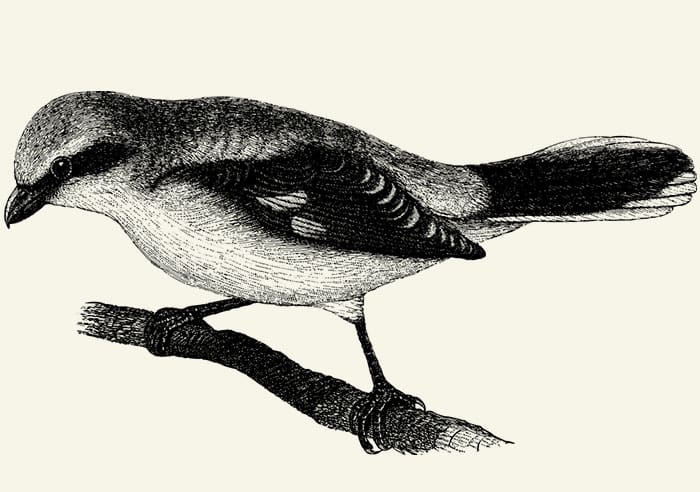
Grassland and Forest Birds
Daily point counts were conducted during the summer seasons of 2006, 2007 and
2008 in randomly selected agricultural plots at two field sites in coastal South Carolina to examine habitat use by painted buntings, indigo buntings, blue grosbeaks and brownheaded cowbirds. Plots were selected based on their original condition, such as planted, fallow or old field, in 2006. The two sites, James A. Webb Wildlife Management Area and Nemours Plantation, are areas managed in methods similar to those described in several Conservation Reserve Programs (CRPs), and CP33 - Habitat Buffers for Upland Birds - in particular. I propose the management regimes outlined in CP33, and similarly the practices implemented at both study sites, are too intense to be able to provide the
early successional habitat needed by the focal species. Although there was no statistical significance found when correlating focal species occurrence and plot variables, I observed the greater the intensity of management regime, as determined by the frequency of manipulations, the fewer occurrences of the focal species. The study landscapes offer a variety of habitat, but lack adequate three-year old growth in the form of hedgerows and buffers to sustain populations of the focal species.
Kelly R. Campbell, 2010, Clemson University
The endangered red-cockaded woodpecker (RCW) had been extirpated from the ACE Basin since the 1970’s. Nemours Wildlife Foundation began initial translocation efforts in 2014 to assess the viability of establishing this species across private and public lands in partnership with South Carolina Department of Natural Resources, US Fish & Wildlife Service, and The Longleaf Alliance. Between 2014–2019, 27 artificial nesting cavities were installed across 4 breeding clusters within 300+ acres of restored pine savanna habitat and 22 RCWs were translocated from donor sites with healthy populations. Our first successful nest occurred during 2021 followed by continued nesting successes across 3 cluster sites. During 2022–2024, these sites have produced a yearly average of 7 RCW fledglings. The first naturally excavated cavity was observed during the 2024 breeding season with successful results.
South Carolina Department of Natural Resources, US Fish & Wildlife Service, The Longleaf Alliance, and Nemours Wildlife Foundation
We evaluated the effect of early-successional habitat management practices on vegetation structure and composition, shrub-scrub songbird nesting, wintering songbird habitat use, and Northern Bobwhite habitat use in the lower Coastal Plain of South Carolina. The response of vegetation was measured for 18 different disturbance treatments at the end of each growing season from 2000 to 2006. The response of vegetation to disturbance was different among treatments. However, similarities existed between burn and disk treatments with the same season and frequency. We found 76 shrub-scrub songbird nests during the 2005 and 2006 nesting seasons. Painted buntings, indigo buntings, and blue grosbeaks were the most commonly found nesting species in the study. Nesting success and productivity experienced variation between years. Nest failures were the most commonly caused by storms, snakes, and raccoons. Hedgerows and field borders were the most commonly used habitat for nesting. Winter songbird use of early-successional habitat was studied in January and February of 2006. Birds were counted in treatment plots during man drives. Bird numbers were highest in plots that received spring and winter burning treatments. Northern bobwhites (n=11) were tracked using a modified homing technique from February thru August of 2006. Locations (n=951) were recorded based on the habitat type birds were in 3 times daily. Bobwhite use of the study area indicated that ditchlines, hedgerows, and food plots were important field components for the species. Based on our results land managers in the lower Coastal Plain may achieve the greatest results in early-successional habitat management with the use of prescribed burns applied in the spring at least every two years.
William C. Heaton, 2007, Clemson University
We investigated passerine community response to long-term pine savanna habitat restoration at Nemours Wildlife Foundation Plantation in Beaufort County, South Carolina from 2010-2017. Thirty survey points were randomly established prior to restoration throughout 318 ha. and categorized by habitat type resultant of management regimes. Savanna restoration sites (n=17) were subject to selective thinning, herbicide application, and frequent prescribe burning treatments. Non-restoration sites (n=13) consisted of mixed forest and pine plantation habitat with minimal thinning and periodic prescribed burning and contrasted from savanna sites by higher basal area, increased canopy cover, greater woody stem density, and reduced forb cover. We conducted point counts (n=3) annually from mid-to-late spring for each survey point and assigned detected passerines to guilds according to habitat preference. We used mixed-model analysis with repeated measures to test the effects of habitat type and year on passerine abundance and richness for each assemblage and aggregated total. Total abundance and richness did not differ by habitat type. Within savanna sites: overall abundance and richness increased between years, open-woodland scrub guild richness increased, generalist and open-pine grass guilds exhibited higher abundance and richness with an increase in both between years, and dense-scrub guild abundance increased. Within non-restoration sites: overall richness increased, open-woodland scrub guild abundance decreased, and dense-scrub guild exhibited higher richness. Abundance and richness for closed-canopy mixed guild was highest in 2011 and exhibited a decreasing trend. Open-mixed grassland guild abundance and richness did not differ by habitat type and increased overall. Our results suggest that open-pine/grassland associated passerine communities positively respond to pine savanna restoration and such efforts may benefit avian species of regional conservation concern. We recommend further research in comparing songbird communities between restored and historical pine savannas within the coastal plain of South Carolina.
Nemours Wildlife Foundation, 2019
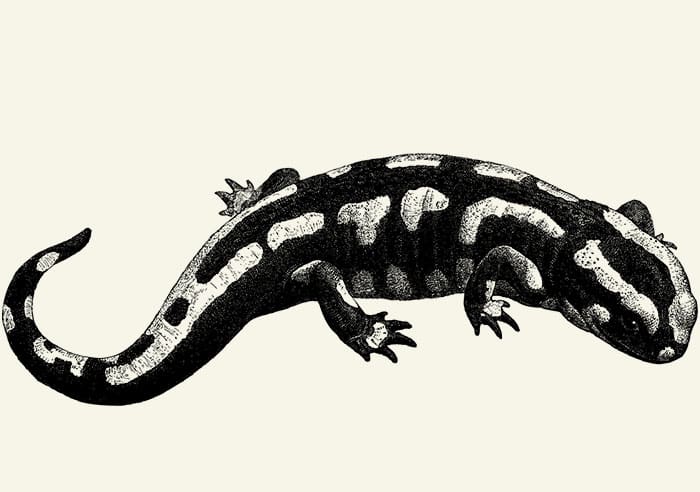
Reptiles and Amphibians
Internal implantation of radio-transmitters is the preferred attachment technique for snakes, but the high costs and invasive nature of the surgery make a functional alternative desirable. External radio-transmitters are cost-effective alternatives to surgical implantation. Rattlesnake rattles are unique morphological features that can serve as an attachment site for external radio transmitters. Using thread and epoxy, I attached transmitters to the rattles of eastern diamondback rattlesnakes (Crotalus adamanteus; EDB). I calculated average monitoring duration using radio telemetry data collected from 49 adult EDBs telemetered from 2014 to 2017 in coastal South Carolina. On average, we monitored EDBs for 189 ±78 days with 14 EDBs monitored > 240 days and 3 EDBs monitored >300 days. External transmitter attachment is a viable alternative to surgical implantation, providing a non-invasive approach to monitoring rattlesnakes. The EDB is a long-lived, large-bodied pit viper endemic to southeastern pine savannas and woodlands. The EDB is declining, and conservation efforts, including long distance translocation, are being undertaken to aid in the species’ recovery. Long-distance translocation to re-establish or supplement populations of viperids has yielded mixed results, with survival averaging less than 50%. I translocated EDBs (N = 21) from a sea island population to a pine savanna restoration area located on private property in South Carolina, 2016-2017, and estimated post-translocation survival probability. I ran various known-fate models in MARK to analyze covariates affecting survival probability. The top model had time since egress as the most important survival covariate, and probability of surviving to the end of
the study was 83%. This study will further our understanding of the efficacy of translocation as a conservation tool for EDB restoration.
Michael T. Jungen, 2018, Marshall University
The southeastern United States is a biodiversity hotspot, and South Carolina has a broad diversity of species. However, many species of herpetofauna are overlooked, despite their ecological importance. This research project aims to address what we know and can learn about herpetofauna from a spatial ecology perspective. This will fill in gaps in knowledge about how land use affects herpetofaunal species, and what we can learn about their resource use and movement across the landscape in the face of changing land use. Findings from this research will help support conservation actions by characterizing spatial patterns of species and their correlation with diverse land uses.
Tyler (Ty) Tobias, Clemson University
When wildlife habitat is developed to accommodate growing human populations, wildlife are forced to move to undisturbed landscapes or to acclimate to a novel, anthropogenic environment. In this dissertation, we investigated the behavior and ecology of the American alligator (Alligator mississippiensis) in coastal, residential resort communities with an overarching goal of identifying behavioral patterns of alligators that can inform risk management strategies. Collectively, our findings suggest that chronic exposure to humans can alter alligator space use behaviors in a way that can support similar population sizes to those in relatively undisturbed environments, but that acute experiences with humans can alter alligators’ perceptions of humans to promote alligator behaviors that correspond to tolerance or avoidance of humans.
Anjelika D. Kidd-Weaver, 2022, Clemson University
Human-introduced contaminants, including per- and polyfluorinated substances (PFAS) and microplastics, pose risks to water resources. PFAS are a large class of synthetic fluorinated organic chemicals with carbon-fluorine bonds. This group of chemicals is used in various applications, including no-stick coatings and flame retardants in fire-fighting equipment. In the environment, PFAS are resistant to degradation and are considered "forever chemicals." In addition to their persistence, PFAS bioaccumulate and biomagnify in living organisms and harm human health. Concurrent with the production and release of PFAS in the environment, widespread global production and use of plastic have increased environmental contamination, mainly aquatic resources. Plastic breaks down, fragmenting into smaller particles to create microplastics, particles 5 mm to 1 μm in size. Microplastics enter the global food chain and impact the health and function of living organisms. When consumed by wildlife, microplastics accumulate in and obstruct the digestive tract, disrupt physiological processes, and transfer toxic contaminants that can accumulate within body tissues. Despite national and international pressures to curb environmental contamination of PFAS and microplastics, data regarding contamination and toxic effects are lacking, particularly in freshwater systems. As contaminants of emerging concern, research on PFAS and microplastics is critical to addressing data gaps to quantify and understand potential environmental impacts. One management strategy to assess and monitor environmental impacts is using indicator species that reflect the biotic or abiotic state of the environment.
Miriam Boucher, Clemson University
Translocations have the potential to aim conservation efforts as well as to reduce mortality caused by human activities. Eastern diamondback rattlesnakes (Crotalus adamanteus, EDB) have a limited ability to adapt to habitat loss and fragmentation due to the species’ slow life history and minimal dispersal ability. Because they are a venomous species, they are viewed as nuisance animals and are often killed on sight. We translocated a cohort of EDBs to investigate the potential of using translocations as a conservation and mitigation tool for this species. In July 2018, we translocated twelve adult eastern diamondback rattlesnakes from Parris Island Marine Corps Recruit Depot to an inland wildlife management area. We radio-located the rattlesnakes approximately three times weekly during the active season and once per week during the inactive season both pre-and post-translocation. We used these radio telemetry data to examine the effects translocation had on home-range size and average daily movement. We also used know-rate models to examine adult survival post-translocation. The post-translocation home ranges were larger than the pre-translocation home ranges and the snakes moved more on average per day post-translocation. We failed to detect an effect of translocation on two-year survival probability. We suspect that large post-translocation home ranges and average daily movements reflect the need to find suitable ambush and hibernacula sites, as well as the difference in coastal and inland woodland habitats. In order for translocations to be a viable conservation strategy for EDBs, more research is needed to determine the long-term viability of translocated populations.
Allison G. Kelley, 2020, Marshall University
Susan Accettullo was an M.S. student at Clemson University’s James C. Kennedy Waterfowl and Wetlands Conservation Center. Susan passed away on 15 October 2022 following a tragic accident. Susan was posthumously awarded her degree from Clemson University in May 2023. Susan’s graduate research focused on herpetofauna abundance, richness, diversity, and occupancy in managed and unmanaged wetland impoundments in Yemassee, South Carolina. Susan monitored water quality and sampled herpetofauna using anuran call count surveys, cover boards, and aquatic traps. Susan was a U.S. Navy veteran and served in the U.S. Army Reserves. We continue to honor her dedication to conservation and our country.
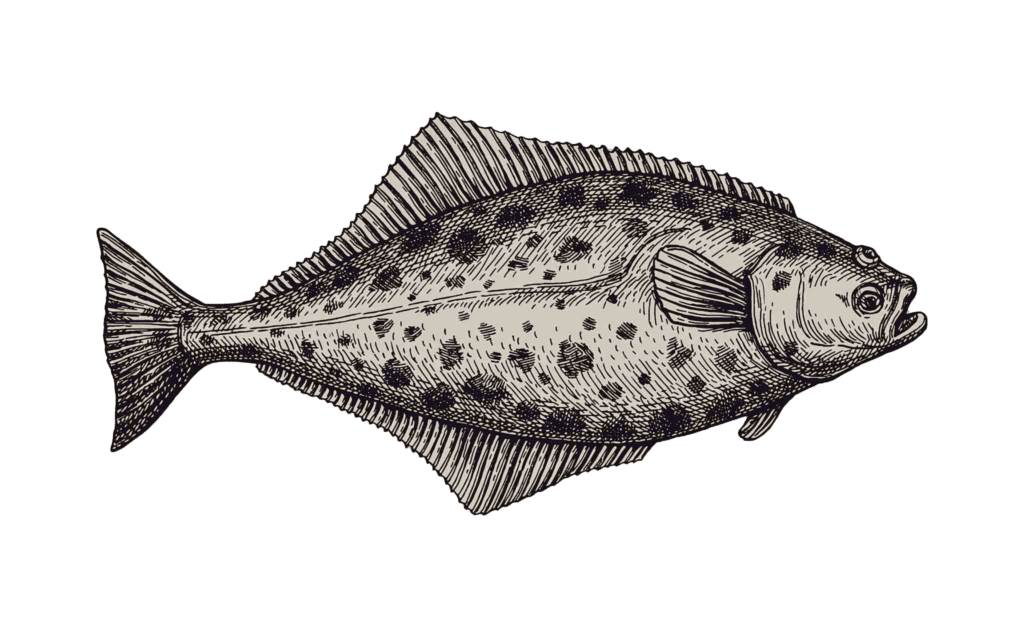
Fishes and Fisheries
In coastal South Carolina, most impounded marshes are managed for waterfowl; fewer are managed for fishes. Tidal control is central to each strategy but raises concerns that nursery function could be impaired. This research examined the assemblage composition of fishes during early-life stages. I sampled two impoundments of each management type monthly in 2008 and 2009. I used light traps to collect 61,527 sub-adult fish representing 21 species and 16 families and push nets to collect 12,670 sub-adult fish representing 13 species and 11 families. The effective number of species detected at larval stage in “fish” impoundments (summer mean=2.52±0.20, winter mean=2.02±0.66) was greater than in “waterfowl” impoundments (summer mean=1.27±0.14, winter mean=1.06±0.09); C.I.=90%. Species richness did not differ between management types, but hierarchical linear models predicted differences in assemblage composition. These findings underscore the importance of frequent water exchange for maintaining diverse assemblages of early-life-stage fishes in marsh impoundments.
Benjamin L. Carswell, 2012, University of Georgia
Estuaries are among the most productive habitats in the world and serve as habitat for many resident and marine-transient fishes. Along the southeastern coast of the United States, thousands of acres of estuarine marsh were ditched, drained, and impounded in the late eighteenth century for rice cultivation. Although many of these impoundments now are subject to tidal inundation, about 28,000 ha of impoundments remain intact in South Carolina. Most are managed via water level manipulation to promote the growth of food plants for migratory waterfowl. Studies of the fish communities within impounded wetlands have documented reduced access to these habitats, unfavorable abiotic factors, and reduced population exchange with adjacent unaltered environments. In this dissertation, I present results of studies that 1) provided estimates of summer production of fish guilds in three study impoundments along the Combahee River, SC, 2) determined the optimal impoundment management strategy for maximizing export of YOY spot from the Combahee River as well as the factors that most influence spot export, and 3) compared the resident fish communities of two mesohaline impoundments with resident fish communities of open-marsh habitats.
Kelly F. Robinson, 2011, University of Georgia

Mammals
Southern fox squirrels (SFSs) are habitat specialists within the longleaf pine ecosystem of the southeastern US whose populations are declining due to habitat fragmentation. Eastern gray squirrels (EGSs) are generalists found throughout the eastern US that have historically avoided competition with SFSs through habitat-partitioning. The purpose of this study was threefold: 1) use translocation as a conservation tool to establish a population of SFSs on Marine Corps Recruit Depot Parris Island (MCRDPI), South Carolina and monitor survival, home range size, and habitat use post-translocation, 2) estimate SFS density on Spring Island, SC and examine patterns of SFS and EGS occupancy, and 3) quantify foraging behaviors of sympatric SFSs and EGSs. I hypothesized: 1) annual survival of translocated SFSs on MCRDPI would be lower than established SFS populations, home ranges would be of similar size to those previously reported and habitat use would indicate preference for open-canopy savannas/woodlands, 2) decreased SFS density on Spring Island due to land use change, and 3) foraging behaviors of sympatric SFSs and EGSs would reflect historical habitat preferences. To test these hypotheses, I: 1) translocated 62 SFSs (31 male, 31 female) to MCRDPI and radio-telemetrically monitored them for ≥ 90 days, 2) established 20 stratified random points on Spring Island, used camera traps to sample for SFSs and EGSs, identified individual SFSs to estimate density, and used multi-season occupancy models to test the effects of fire frequency and canopy cover on occupancy, and the effects of daily temperature and precipitation on detection probability, and 3) used feed depots and time-lapse videography to record SFS and EGS foraging events, classifying head-up posture as vigilant and head-down posture as foraging. I found: 1) SFS annual survival rates were lower than established populations but similar to translocated populations; home ranges were similar to those previously reported; and SFSs preferred closed-canopy forests, 2) Spring Island SFS density is similar to density estimates from the 1990s; EGS occupancy is negatively associated with fire frequency; and EGS detection probability is negatively associated with maximum daily temperature, and 3) SFS foraging events were significantly longer than EGSs, but SFSs were also significantly more vigilant.
Katelyn M. Amspacher, 2018, Marshall University
Coastal ecotones, where marine aquatic and terrestrial habitats interact, are productive systems that often contain abundant and diverse assemblages of invertebrate and vertebrate species and their predators. The availability of allochthonous inputs in combination with resident prey items within tidal marshes could lead to heightened density of terrestrial predators, although research into the ecology of coastal terrestrial predators is sparse. Given the use of coastal impoundments by culturally and economically important waterfowl, some managers are (or are considering) lethally removing terrestrial mammalian carnivores out of concern they are consuming waterfowl species during the overwintering and spring recruitment periods. We conducted a study to determine terrestrial carnivore diets within tidal impoundments in South Carolina during the 2018–2019 winter and spring seasons and compared dietary breadth and overlap among predators. We determined that Lynx rufus (Bobcat) and Procyon lotor (Raccoon), and, to a lesser extent, Canis latrans (Coyote) used coastal impoundments and consumed a diversity of food items that varied between seasons. Bobcat diet was primarily composed of small- to medium-sized mammalian prey, the relative frequency of occurrence of those items being 77% and 65% of scats during winter and spring respectively. The relative frequency of birds in Bobcat diet was higher in spring (32%) compared to winter (18%), with a majority being composed of songbirds and waterbirds, and waterfowl only accounting for 6% of their diet across both seasons. Raccoon diets were primarily composed of vegetation and crustaceans, 2 items not consumed by Bobcats, suggesting the 2 species generally maintain different dietary niches. Small mammals were the only dietary item of potential overlap between these species, but Bobcats were more likely to consume meso-mammals in winter while Raccoons were more likely to consume small mammals in spring. In addition to providing support for dietary niche partitioning as a coexistence mechanism for Bobcats and Racoons in our system, our results suggest that Bobcats (as well as Raccoons) are not predating important waterfowl species within these managed impoundments during these seasons, likely limiting the need for future lethal predator-control strategies.
Amanda Williams, 2023, Clemson University
Invasive Species Management
Many species of native herpetofauna in the southeastern United States share habitats with the invasive non-native ant Solenopsis invicta (red imported fire ant), and may be vulnerable to both direct and indirect negative impacts from fire ants. Direct impacts of fire ants may include predation of adult animals, consumption of eggs, consumption of pipping young, or predation of hatchlings. Indirect effects are less obvious and more difficult to document, but may include a reduction in available food resources, changes in behavior patterns or habitat use, and reduced weight gain and survival of animals that were non-lethally envenomated. To determine population-level effects of fire ants on herpetofauna, we reduced fire ant populations on five approximately 100 ha treatment areas in five coastal counties of South Carolina. Fire ant populations were reduced with aerial applications of Pro-bait® or Amdro® fire ant bait in May 2000 and May 2001; each of these sites was paired with an untreated reference site. Reptile and amphibian sampling was conducted pretreatment and during three post-treatment sampling periods to determine if there were differences in relative abundance or species richness between reference and treatment sites following fire ant population reductions. Prior to treatments, neither fire ant nor reptile and amphibian populations differed between treatment and untreated sites. After treatments, fire ant populations were significantly reduced ( P < 0.05) and the total number of individual herpetofauna captured (treatment mean = 201.4; reference mean = 115.2: F(1,4) = 13.3, P = 0.022), the capture rate per array day (treatment mean = 2.02; reference mean = 1.06: F(1,4) = 7.2, P = 0.055), and reptile and amphibian species richness (treatment mean = 11; reference mean = 7: F(1,4) = 10.8, P = 0.030) was greater on treated sites. To determine whether fire ant impacts on egg and hatchling survival might be a mechanism of impact, we conducted a laboratory experiment with three snake species [California kingsnakes (Lampropeltis getula), Florida kingsnakes (Lampropeltis floridana), corn snakes (Elaphe guttata)]. These species showed negative impacts on hatchling success (c2 = 13.85, DF = 1, P = 0.0002) and neonate survival (c2 = 13.87, DF = 1, P = 0.0002). I conclude that fire ants have a negative population-level impact on native herpetofauna in the southeastern United States.
Jason T. Slater, 2002, Clemson University
Range-wide northern bobwhite (Colinus virginianus) population declines have been well documented. Pinpointing reasons for this decline remain elusive. The decline is attributed primarily to loss of habitat and changing land uses; however, this does not explain the population decline on areas managed for bobwhites. Analysis of empirical data from the Southeast indicated red imported fire ants (Solenopsis invicta) as another factor in the bobwhite’s decline, explaining a significant proportion of the annual variance in bobwhite population abundance (r2 = 0.76, P < 0.001). Therefore, a large-scale manipulative field study reducing fire ants on six plantations in the southern coastal plain of South Carolina was initiated. I collected data on bobwhite density, fire ant abundance, and insect abundance on the areas where fire ants were reduced and sites where fire ant abundance remained unchanged. Aerial applications of hydramethylnon, an insecticide ant bait, significantly reduced fire ants in treated areas (F1,20 = 0.69, P = 0.51). Small insects, a protein source for bobwhites, were collected in pitfall traps and then sorted to size. More small insects were captured on treated sites than on untreated sites indicating higher insect availability on treated areas (Spring 2000: F1,5 = 7.83, P = 0.04; Fall 2001: F1,5 = 16.07, P = 0.01). Bobwhite chicks primarily consume small insects to meet the protein demands of growth and development and ants make up a portion of this insect diet. Fire ants are known to reduce native ant diversity and abundance, but in doing so may actually increase the number of individual ants in the area. Fire ants could possibly be used as a protein source if bobwhites will eat them and there are no adverse effects. To test this, a lab experiment was conducted to see if bobwhites would consume fire ants. Sixty bobwhite chicks were separated into two groups of 30; those that were provided start feed only and provided starter feed and live fire ants. Bobwhite chicks were observed feeding on fire ants. Chicks that fed on fire ants exhibited reduced survival (P = 0.01) and weigh gain (F1,40 = 6.83, P = 0.01).
P. Evans Myers, 2002, Clemson University
Chinese tallow [Triadica sebifera (L.) Small] is a highly invasive small-medium sized tree found across the southeastern United States. A long-term trial of three different control methods for Chinese tallow: (1) fall application of herbicide, (2) mastication, and (3) growing season prescribed fire, was conducted on Parris Island, South Carolina from 2012 through 2019. The goals of this trial were to reduce Chinese tallow density, reduce overall midstory density, recruit more oak seedlings (Quercus spp.), and increase native species diversity in the understory. All treatments successfully reduced Chinese tallow abundance. These results demonstrate how successful a fall application of herbicide can be at controlling Chinese tallow. Mastication and prescribed fire reduced native shrub density. No treatments were able to recruit oaks or increase native species richness. Growing season prescribed fire can be used to control deciduous woody plants. To determine if it could be used to control Chinese tallow, a growing season prescribed fire was conducted on ten stands at Nemours Plantation in Beaufort County, South Carolina. Five stands were upland pine plantation, and five were lowland hardwood. Two of the lowland hardwood stands failed to ignite when the fire was applied and were eliminated from the study. In upland pine stands prescribed fire top-killed all the Chinese tallow, and in lowland hardwood stands it top-killed half of the Chinese tallow. However, the morality of Chinese tallow was limited. The success of prescribed fire as a control for Chinese tallow is dependent on the area burned around Chinese tallow stems. If there was a high area burned directly surrounding a Chinese tallow stem, then that individual would be top-killed. Growing season prescribed fire did not impact native understory coverage and was able to increase the coverage of little bluestem and partridge pea. This study demonstrates that a growing season prescribed fire can act as a method of controlling Chinese tallow growth, while minimally impacting native species.
Calvin L. Norman, 2020, Clemson University
Habitat Restoration, Management, and Economics
Widgeongrass (Ruppia maritima) is a cosmopolitan submersed aquatic vegetation (SAV) of brackish wetlands. Management of SAV species is practiced in impounded tidal wetlands in coastal South Carolina to provide forage for waterfowl and other waterbirds. Widgeongrass also provides habitat and associated periphyton for aquatic invertebrates. I conducted an observational study to test effects of complete drawdown (CD) to dried substrate versus partial, shallow water (0–10 cm) drawdown (PD) during May–June 2016 on aquatic invertebrate and SAV biomasses and aquatic invertebrate diversity in managed brackish tidal impoundments (MTI) in the Ashepoo, Combahee, and Edisto Rivers Basin, South Carolina, because such data were lacking to inform managers of best practices to promote standing crops of invertebrates and SAV. I sampled sediments and SAV in 20 MTIs (8 complete and 12 partial drawdown MTIs) and three natural tidal marsh sites (control) during August 2016, November 2016, January 2017, and April 2017. I used mixed model analysis of variance to test (∝ = 0.10) effects of drawdown on SAV and benthic invertebrate biomasses (g[dry]/m2) and benthic invertebrate diversity (Shannon H′). I used mixed model analysis of covariance to test (∝ = 0.10) effects of drawdowns and SAV biomass (covariate) on total invertebrate biomass (benthic and epifaunal combined; g[dry]/m2) and diversity (Shannon H′). I detected a drawdown effect on SAV (P = 0.014) and benthic (P = 0.063) and total (P = 0.014) invertebrate biomasses for August 2016, benthic and total invertebrate biomasses for November 2016 (P = 0.022 and P = 0.041, respectively) and April 2017 (P = 0.042 and P = 0.030, respectively), and benthic invertebrate biomass for January 2017 (P = 0.079). I also detected a drawdown effect on benthic invertebrate diversity for August 2016 (P =0.007), November (P = 0.056) and April 2017 (P = 0.013) and total invertebrate diversity for August (P = 0.025) and April 2017 (P = 0.012). Additionally, I detected a significant positive effect of SAV biomass on total invertebrate biomass (0.089 ≤ P ≤ 0.002) and diversity (0.014 ≤ P ≤ 0.001) for November 2016 and April 2017, and benthic invertebrate biomass for August 2016, November 2016, and April 2017 (0.054 ≤ P ≤ 0.001). Submersed aquatic vegetation and benthic and total invertebrate biomasses at peak production in August 2016 were greatest and less variable in partially drawndown impoundments before Hurricane Matthew devastated SAV communities in October 2016. Partially drawndown MTIs exhibited greater benthic and total invertebrate biomasses and diversity for all sampling periods with detected treatment effects except January 2017 wherein both PD and CD MTIs exhibited greater benthic invertebrate biomass than unmanaged marsh (control) and April 2017 wherein benthic invertebrate diversity was greater in PD MTIs than both CD MTIs and unmanaged marsh. I present bioenergetic carrying capacity estimates (energetic use days [EUD/ha]), derived from my SAV and invertebrate biomass estimates by treatment for each sampling period, for dabbling ducks associated with South Carolina MTIs. Across sampling periods, EUDs for PD MTIs averaged 2.7 times greater than EUDs for CD MTIs. I recommend partial drawdowns to maximize invertebrate and SAV biomasses and MTI foraging carrying capacities for migratory ducks and other waterbirds in coastal South Carolina. However, I also recommend periodic complete drawdowns to consolidate flocculent soils and decompose organics to promote rooting by SAV.
Beau A. Bauer, 2018, Clemson University
Ecosystem restoration and management practices should be guided by sound
scientific information on ecosystem dynamics. In the southeastern United States, pine savanna ecosystems have experienced widespread decline and are a current focus of restoration activities in the region. We therefore investigated several aspects of pine savanna ecology to provide crucial information for restoration and management approaches. First, we found that both the reproductive response of endemic wiregrass (Aristida beyrichiana) and historical fire records indicate the predominance of summer lightning ignitions in longleaf pine (Pinus palustris)-wiregrass ecosystem dynamics. Practitioners should therefore consider the implications of using summer prescribed fire in restoration and management protocols to mimic the historical fire regime.
Additionally, although we failed to detect a relationship between longleaf pine-associated plant species endemism and dispersal ability, we did find a positive relationship between endemism and longevity (life cycle). This result suggests that if dispersal is not limiting, endemic plants may depend on both soil properties and the precise use of fire to enhance their establishment and persistence. We also investigated multi-scale habitat selection in an indigenous and imperiled predator of the southeastern pine savannas, the Eastern Diamondback Rattlesnake (Crotalus adamanteus; EDB). Our results underscore the
importance of pine savannas for maintaining rattlesnake populations at a regional and local scale, but management strategies should also consider the potential for vegetation cover types to serve as surrogate habitat on smaller scales. We also summarized longterm data on EDB breeding and reproductive phenology from several populations in the South Carolina Coastal Plain, and found that reproductive activity occurred primarily in late July through mid-October. This information not only contributes to our current knowledge and conservation efforts, but will also facilitate future long-term comparative investigations throughout its geographic range. Finally, we discussed the ecological paradigms that currently guide restoration and management of subtropical pine savannas
in the southeastern United States. We contend that in contrast to linear models of
vegetation succession, current research supports an evolutionary model of pine savannas as diverse alternate states maintained by vegetation-fire feedbacks. Restoration and management strategies should focus on components of the vegetation-fire feedback to achieve restoration goals. In summary, our results demonstrate that practitioners should carefully consider the relationship between ecosystem structure and function in managing and restoring species and processes (such as fire) to southeastern pine savannas.
Jennifer M. Fill, 2015, University of South Carolina
Secretive marsh birds (i.e., rails [Rallidae]) along the Atlantic coast face population-level threats from increasing habitat loss due to sea level rise, development, and other factors. Most notably has been the observed drastic decline of the federally threatened Eastern Black Rail. In 2018 we partitioned two 2.5 ha high-marsh tracts from a tidal impoundment typically managed for wintering waterfowl to experiment with habitat management practices that benefit black rails and other secretive marsh birds. Partnering with the US Fish & Wildlife Service and South Carolina Department of Natural Resources, we installed independent water control structures and initiated call-playback and game camera surveys. During 2018–2021 we documented 4–22-fold increases in marsh-obligates including least bittern (Ixobrychus exilis), Virginia rail (Rallus limicola), sora (Porzana carolina), and king rail (Rallus elegans). Lack of response from black rails prompted the exploration of testing a solar-powered pump to irrigate higher elevation areas to provide suitable water depth and prey habitat (e.g., invertebrates). These efforts are on-going and despite the lack of black rail occupancy within these experimental wetlands, data have significantly contributed towards developing best management practices that create apparent suitable habitat for black rails while increasing occupancy by similar marsh birds.
South Carolina Department of Natural Resources, US Fish & Wildlife Service, Nemours Wildlife Foundation
The South Carolina lower coastal plain, locally called the Lowcountry, is an area of great ecological diversity with bottomland swamps and coastal marshes. The Lowcountry still contains many large tracts of land, privately owned as ‘plantations’. These plantations tend to be self-supporting and many are seeking additional revenue sources, and ecotourism is developing as one of these sources. Tourism is the backbone of the Lowcountry economy. This study identified the level of existing ecotourism activities supported by Lowcountry plantations and their expectations for the future levels of natural resource-based activities. Ecotourism is blossoming as an income source, but hunting leases and timber harvests are the primary natural resource-based income sources. Owners did express interest in ecotourism activities as a source of future income. A lack of the management and business ability was the main obstacle to expanding ecotourism enterprises.
George A. Campbell, 2011, Clemson University
Model systems enlightened by history that provide understanding and inform contemporary and future landscapes are needed. Through transdisciplinary collaboration, historic rice fields of the southeastern United States can be such models, providing insight into how human–ecological systems work. Rice culture in the United States began in the 1670s; was primarily successfully developed, managed, and driven by the labor of enslaved persons; and ended with the U.S. Civil War. During this time, wetlands were transformed into highly managed farming systems that left behind a system of land use legacies when abandoned after slavery. Historically accepted estimates range from 29,950 to 60,703 ha; however, using remotely sensed data (e.g., LiDAR) and expert opinion, we mapped 95,551 ha of historic rice fields in South Carolina, USA. After mapping, the rice fields’ current wetland and land cover characteristics were assessed. Understanding the geographic distribution and characteristics allows insight into the overall human and ecological costs of forced land use change that can inform future landscapes.
Daniel Hanks, 2021, Clemson University