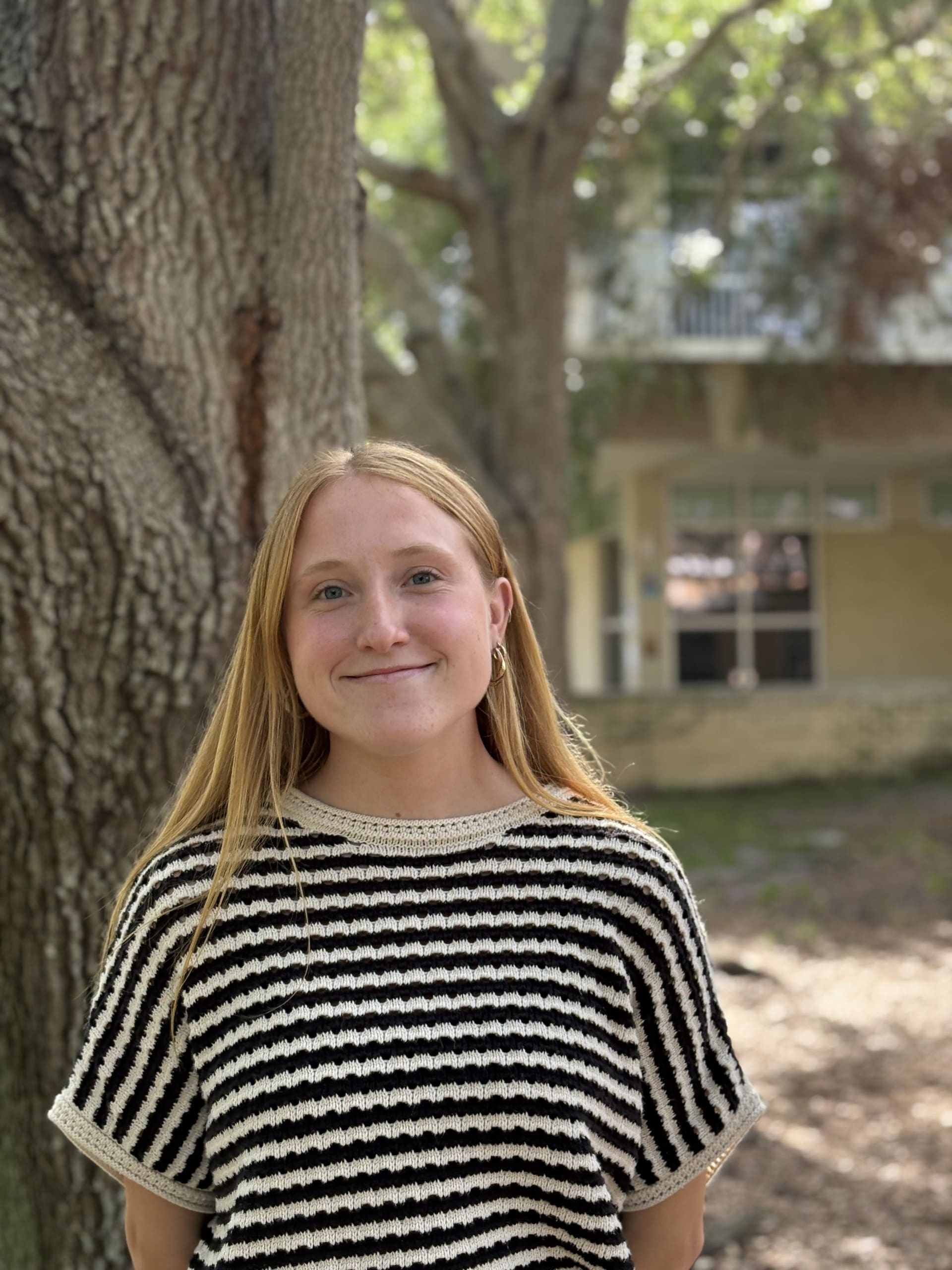
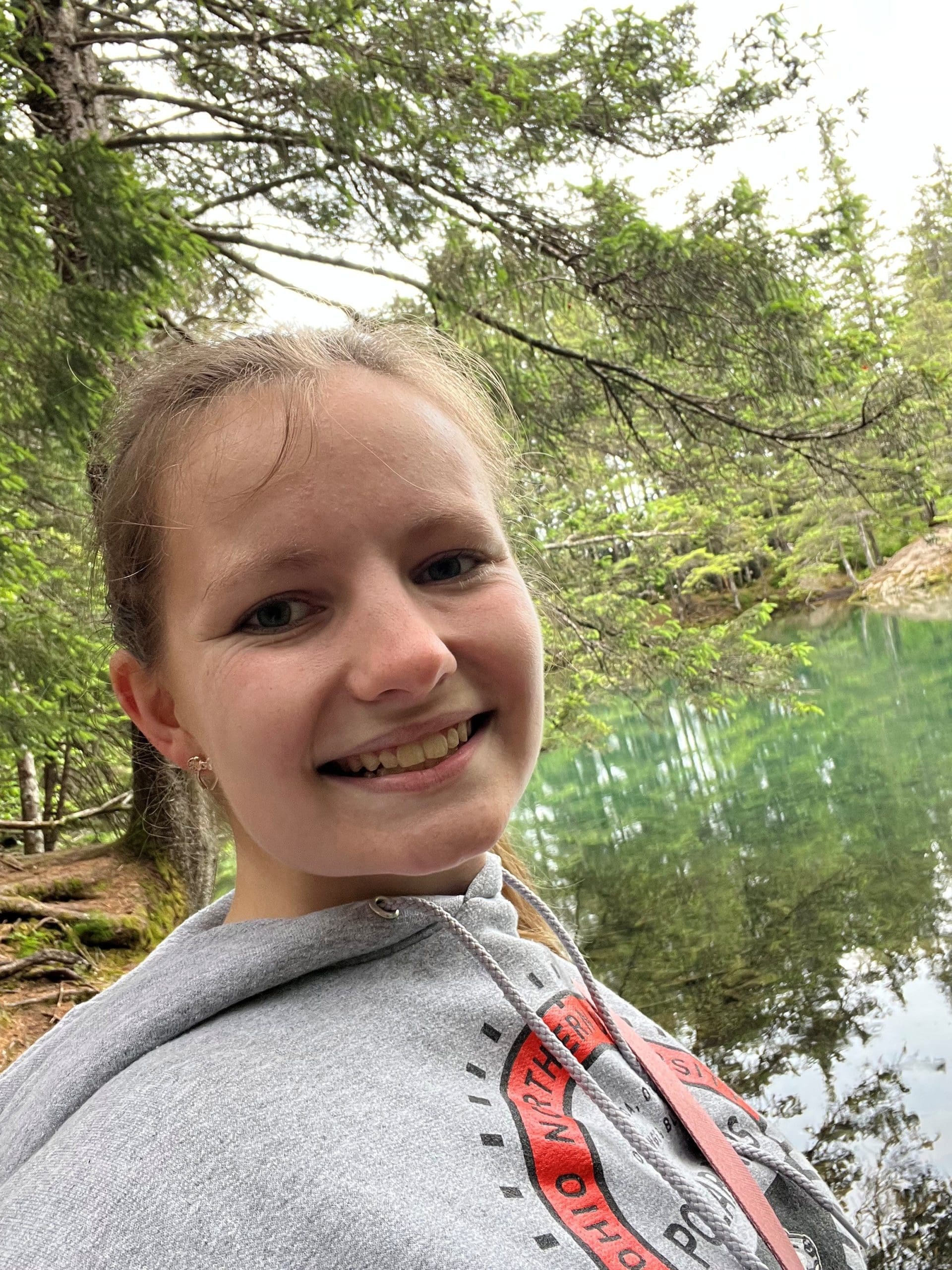
Stephen first visited Nemours in 2015 as an undergraduate researcher, sampling aquatic invertebrates in our managed impoundments. That early experience helped shape his path in waterfowl ecology and conservation, eventually leading him through graduate studies and fieldwork across the Southeast. Now, nearly a decade later, he has returned full circle to Nemours as our Wildlife Scientist!
A Message from Stephen Clements
I am absolutely thrilled to join the Nemours Wildlife Foundation team as the new Wildlife Scientist. In this role, I look forward to building on the Foundation’s strong legacy of research, education, and stewardship in the Lowcountry.
Having grown up in South Carolina, I cannot imagine a greater professional and personal privilege than contributing to the conservation of the state’s natural resources through research. While my prior experience has largely focused on waterfowl ecology and management, I am particularly excited about the diverse research and outreach opportunities this position offers.
My path into the waterfowl world began at Clemson University, where I earned my undergraduate degree. Following the establishment of the James C. Kennedy Waterfowl and Wetlands Conservation Center at Clemson, I became a member of the first cohort of Kennedy Undergraduate Interns and had the opportunity to visit Nemours in the spring of 2015 to conduct undergraduate research, where we sampled aquatic invertebrates in managed impoundments.
After graduating in 2016, I moved to Mississippi to begin graduate school at Mississippi State University. There, I spent two years studying the foraging ecology of scaup (bluebills) using baitfish and sportfish aquaculture facilities in eastern Arkansas. With my master’s degree in hand, I worked as a biological science technician and later as a biologist for the USDA National Wildlife Research Center.
In 2021, I returned to Mississippi State to pursue a Ph.D., focusing on waterfowl diets and forage production in managed wetlands along the South Carolina and North Carolina coasts—research aimed at improving waterfowl conservation planning in the South Atlantic region. That work not only brought me closer to home, but it also brought me back to Nemours. While conducting fieldwork far from Mississippi, Nemours Wildlife Foundation graciously provided housing and support for my technicians and me as we collected and processed thousands of vegetation samples and soil cores. I left South Carolina again in the summer of 2024 to complete my dissertation, but this time it took only a year to return.
My wife, Abby, and I are excited to be settling into the area and joining the Nemours community. With us is our Labrador retriever, Boone, who is eagerly awaiting his first duck season in the South Carolina Lowcountry. We’re incredibly grateful for the warm welcome and look forward to what lies ahead.
Stephen
Published Papers
Stephen is in the process of publishing his dissertation chapters – so stay tuned!
- “Diets of scaup occupying baitfish and sportfish farms in eastern Arkansas”
- “Distribution and abundance of scaup using baitfish and sportfish farms in eastern Arkansas”
- “Predicting consistent foraging ecologies of migrating waterbirds: Using stable isotope and parasite measurements as indicators of landscape use” (co-author)
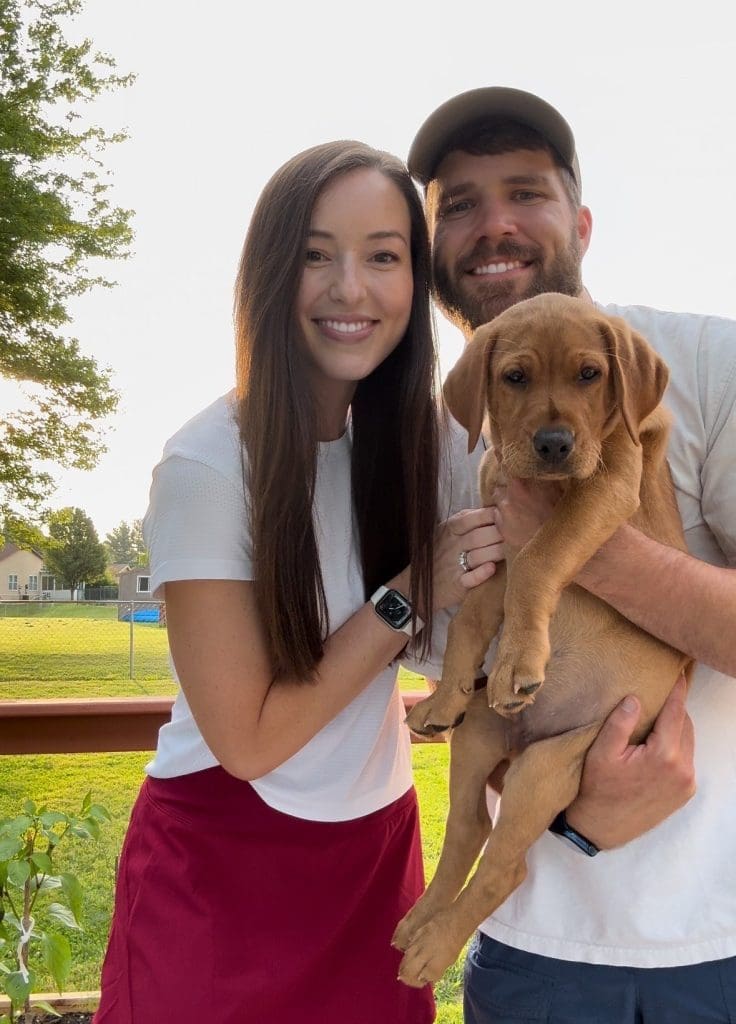
Picture 1: Abby and Stephen shortly after bringing Boone home.
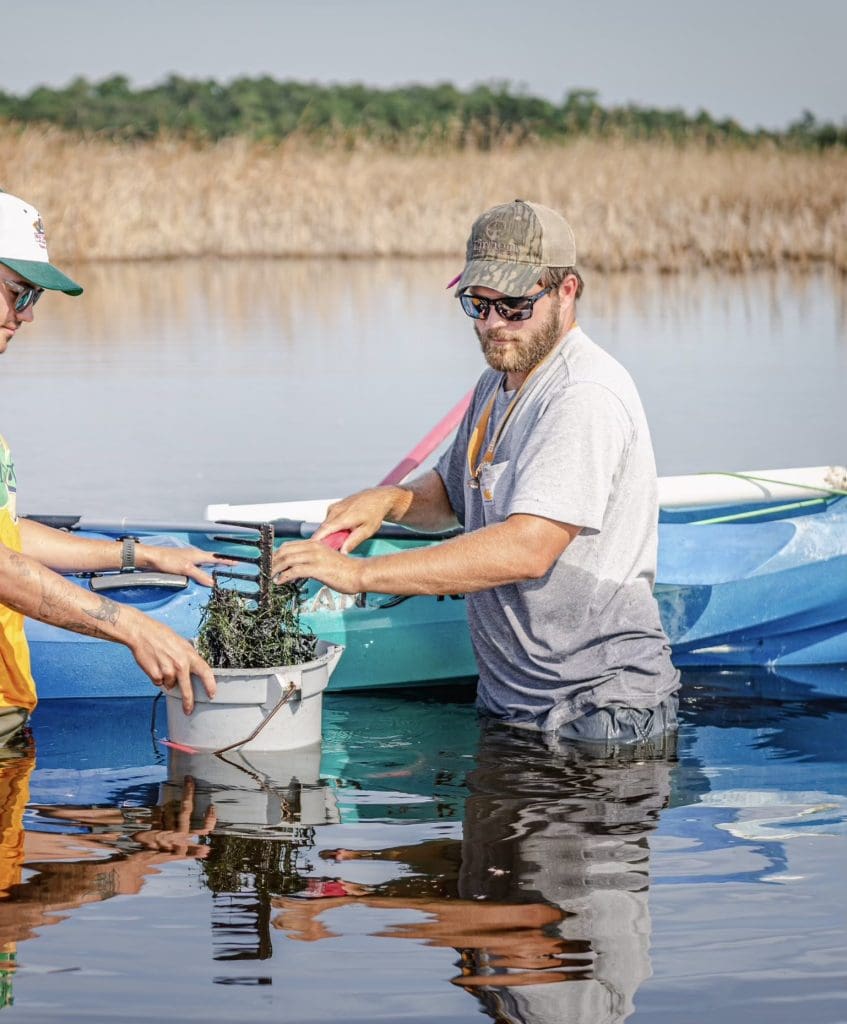
Picture 2: Sampling submersed aquatic vegetation (aka duck food) in a South Carolina impoundment.
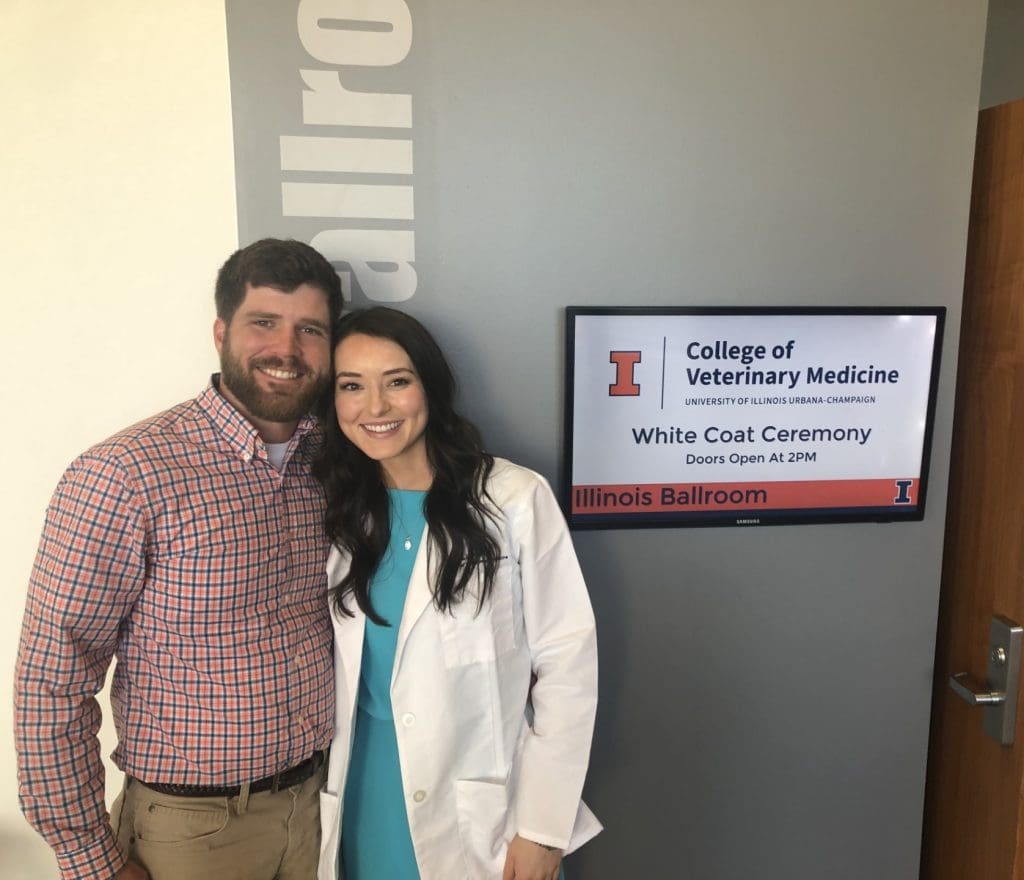
Picture 3: Stephen and Abby at Abby’s white coat ceremony — the first doctor in the family!